
Data Migration Services
As organisations start planning their move to the cloud, a rapid reduction in costs and improved protection of data is generally expected. The entire migration process involving files, applications, and systems, however, can sometimes seem complex. This is where Cloud Data Migration Services comes in. With the right approach, the move can be made simple and secure.
What Is Cloud Data Migration?
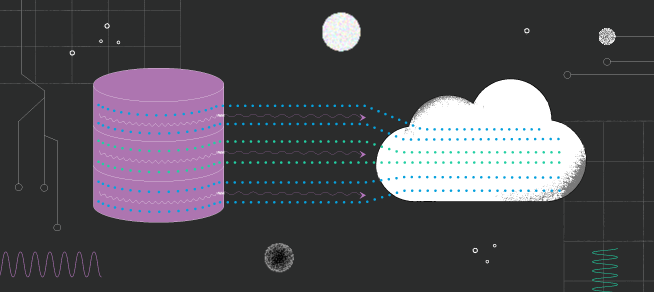
Cloud data migration means moving files, applications, and other digital entities from local data systems to the cloud. Scheduled cloud computing offers more flexibility, increased security, and more room to expand data and cloud storage.
The term ‘migrating’ assets means much more than relocating files. It means the assessment and the ‘compatible’ relocation of data, the management of diverse downtimes, and the handling of confidential and sensitive data.
Why Do Organisations Migrate to the Cloud?
We’ve outlined the major reasons why we can say that the cloud has become more advantageous.
- The reduction of data and hardware-related costs.
- Improved productivity due to gained accessibility.
- Improved data and system security.
- The ability to scale cloud resources as demand increases.
- Improved disaster management processes.
For this reason, the cloud has become a crucial part of every organisation’s IT strategy.
Step 1: Evaluate Existing Infrastructure
The first phase of the process is to work out what the company has and what resources are available.
To comprehend cloud migration, data, applications, and even systems must be analysed individually. The key questions that you should ask are:
- What information qualifies as crucial?
- What applications, if any, are ready for the cloud?
- What barriers can one expect to run into during migration?
Consulting IT experts would be helpful for this stage. They can help shape the key objectives and structural questions to be able to accomplish set objectives and determine the obstacles that need to be addressed for successful migration.
Step 2: Create a Strategy for Migration
This stage focuses on strategy development and adds value to the most crucial output of the current state assessment. A migration strategy should include:
- Type of migration: full, partial, or a mixture,
- Order of data and applications to be shifted,
- The specific timeframe for every segment: dates, milestones, and deadlines,
- Risk management strategies in the case of any system failure.
This plan acts as a guide for the organisation. Without a proper strategy, it is highly likely the organisation will come across the challenges of slow, lost, and even inoperable data.
Step 3: Choosing the Right Cloud Environment
Not all clouds are equal. While some companies enjoy the flexibility of using public clouds, others prefer the control associated with private clouds. Consulting Crafts also emphasizes the possibility of using a combination of both, giving businesses the best of both worlds.
Managed Cloud Solutions assists with this. They provide post-migration support, monitoring, and maintenance, so that the cloud environment is functioning optimally.
Step 4: Organise the Data
Data that is to be migrated must be organised systematically. Old and duplicate records should be deleted. Sensitive data must be encrypted. This will accelerate the migration and make it more secure.
Data preparation simplifies the process of deciding what information should be collected, thus reducing the overall storage cost.
Step 5: Migration in Stages
This technique is more efficient due to the high-risk nature of completing all processes at once. There is a very useful framework that divides this process into three stages:
- Transferring less useful data
- Testing several applications in the new cloud
- Resolving issues that must be resolved before transferring over critical sensitive data or other business-critical systems
This method guarantees that there will be no significant interruptions throughout the workflows.
Step 6: Certification and Assessment
The data that has been uploaded to the new cloud needs to undergo rigorous testing. The staff wants to confirm that all systems are operational, the data is intact, and users have access to all requisite information.
This step in the migration process serves to validate that the migration has been completed successfully while also determining issues that will likely arise in the near future and impact day-to-day operations.
Step 7: Refine and Maintain
This is the first goal of the entire process. All other data must be tracked in real time to determine any possible over-expenditure. The appropriate level of scrutiny must be applied to preserve the value that the data holds.
Frequent and regular intervals of monitoring cloud computing protect business data.
Obstacles in Migrating to the Cloud
Despite the strategy, there are several cloud migration challenges that are often overlooked.
- Downtimes
- Overspending
- System Compatibility Issues
- Encrypted or otherwise Protected Information
This means that it is essential to recruit cloud consultants so that the costs of planning and configurations can be minimised.
Advantages of Smooth Migration
Strategising the system migration carried out with the cloud gives you these advantages.
- Reduction of operational costs.
- Improved expansion of business.
- Ascertain information in a faster manner.
- Optimised availability.
- Improved enhanced system security.
This is the main thing pushing lots of people to start using Cloud Data Migration Services.

Conclusion
Although cloud migration sounds intricate, it can be simplified through the adoption of the correct measures. The aim and strategy of any cloud migration model should centre around achieving designated, timely targets and assessing every step. Help from specialists, if needed, should also be sought. Migration is beneficial to any business. It not only provides protection to vital information but also improves the entire ecosystem of the cloud, especially when supported by the Best Managed Cloud Solutions.
For more details and information, follow us on our Pinterest profile
FAQs
- How long does cloud data migration take?
The time needed depends on the size of the data, the kind of cloud application in use, and the migration method selected. Some large migrations can take weeks, while smaller migrations can be done in just a few hours.
- Is cloud migration safe for private documents?
With adequate measures such as access encryption, access controls, and consistent monitoring, private documents are safe even during migration and after it has been completed.
- Do companies require specialised assistance for migration?
Yes, even though some migration tasks can be executed as ‘stand-alone’ projects, the participation of an IT Strategy Consulting professional during the entire process will considerably decrease the level of risk and increase the overall efficiency of the migration process.
- What if something goes wrong during migration?
A contingency plan is always considered better than plan A. Creating a backup of information is a more preferable option as it ensures that critical data will not be lost, no matter the circumstances.
- Can any application be migrated to the cloud?
Unfortunately no. Some older applications must be updated, or in some instances, completely replaced, in order for the migration process to be seamless.